































































If you’re in the business of transporting dangerous goods by road or rail in Australia, you’re already familiar with the importance of staying current with the Australian Dangerous Goods (ADG) Code. The latest update, Edition 7.9, becomes mandatory from 1 October 2025, and it brings a number of important changes that directly affect how you classify, package, label, and transport dangerous goods.
This summary cuts through the bulk of the technical updates to highlight what’s changed from Edition 7.8, and what it means for your day-to-day operations. Make sure you read through the new guide and don’t just rely on this blog to be across the changes.
Key Updates to Definitions and Measurements
The foundational language of the Code has been refined:
- Scientific notation has been updated: s³ and A² are now s⁻³ and A⁻², bringing local standards in line with international conventions.
- A new definition for “Degree of filling” has been added, providing clearer guidance for filling containers at 15°C.
- The definition of “Recycled plastics material” now includes Intermediate Bulk Containers (IBCs), which many in the industry already rely on.
Major Focus on Lithium and Sodium Ion Batteries
- New UN numbers and classifications for vehicles powered by lithium ion, lithium metal, and sodium ion batteries.
- A dedicated section for sodium ion batteries, with new handling, packaging, and marking requirements.
- Expanded special provisions and shipping names to cover new battery chemistries and applications.
If your fleet includes electric vehicles or you handle battery shipments, these changes are directly relevant to your compliance obligations.
Dangerous Goods List and Special Provisions: What’s Changed
The Dangerous Goods List (Table 3.2.3) has been overhauled with:
- Name and classification changes for various substances, including UN 1010, UN 1835, and UN 3423.
- New UN entries, such as:
- UN 3551–3553: Sodium ion batteries and equipment
- UN 3554: Gallium in manufactured articles
- UN 3559: Fire suppressant dispersing devices
- UN 3555: A new explosive desensitised entry
There are also new Special Provisions (SP 399–409) and several amendments to existing ones — especially those dealing with lithium/sodium batteries, ammonium nitrate, and gallium-containing materials.
If you ship these products, the details matter — from documentation through to packaging and placarding.
Packing and Container Requirements
Packing instructions have seen structural updates and clarifications:
- New instructions (e.g. P912 for battery-powered vehicles) have been added.
- Composite packaging is now clearly categorised under single packagings.
- ISO standards have been updated across various container types, including IBCs and drums.
Packaging remains one of the most scrutinised aspects of DG transport — any misstep here can result in compliance breaches or load rejections.
Marking, Labelling and Consignment
Labelling and marking obligations have shifted in a few key areas:
- Sodium ion batteries are now explicitly included in marking and label requirements.
- Overpack labelling rules have been adjusted — including the removal of outdated notes.
- Placarding and documentation rules for coolant/conditioner shipments have been clarified.
These changes will affect how you prepare goods for dispatch — especially mixed loads or battery-inclusive freight.
Construction and Testing: ISO Standards Updated
If you’re involved in packaging, manufacturing or inspecting containers, Edition 7.9 includes broad ISO standard updates:
- Revised references for pressure receptacles, fibreboard boxes, and cryogenic containers.
- New compliance deadlines introduced for several standards (e.g., 31 December 2026 and 2028).
- Updates to the design, inspection and test requirements for a wide range of transport containers.
Ensure your QA, procurement and compliance teams are across these updates — especially for newly manufactured or re-certified packaging.
Alphabetical Index Revisions
To match all the new UN entries and classification changes, the alphabetical index has been fully updated. New entries have been added, and several existing ones corrected — for example, “SODIUM” is now listed as “METALLIC SODIUM OR SODIUM ALLOY” where appropriate.
Final Word
The most significant changes relate to:
- Lithium and sodium ion batteries
- Packaging formats and tank provisions
- Revised special provisions and classifications
Take the time to review these updates in detail, retrain your staff where needed, and audit your existing documentation and packaging against the new Code. See here for the changes laid out by the NTC.
You May Also Be Interested In
What Gear You Need to Carry When Transporting Dangerous Goods
8 Tips: How to Make Ratchet Straps Last Longer
Understanding Dangerous Goods Labelling Requirements: A Comprehensive Guide
10 Essential Tips for Truck Drivers to Stay Awake on the Road
Check Out Our YouTube Channel
Products

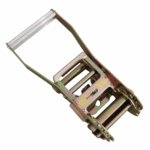
Ratchet Buckle 50mm x 2500kg
Original price was: $10.00.$9.00Current price is: $9.00. ex GST
Truck Safety Pole Bracket
$8.65 ex GST
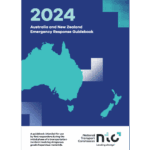
Emergency Response Guide AS/NZ 2024
$38.50 ex GST
Adjustable Ergo Shoring Bar F-Track
$58.00 ex GST
Overpack Label 50mm x 95mm – Roll of 500
$50.00 ex GST
QuickBinder – 8mm, 10mm, 13mm
Price range: $76.00 through $140.00 ex GST
Tegral WebRail Fall Protection Straps
Price range: $145.20 through $175.70 ex GST
Transking Tightwinder Bi-fold Winch Handle
$120.15 ex GST
Transking Tightwinder Winch 4000kg
$327.60 ex GST
Polypropylene Dangerous Goods Placards – 250 x 250
$13.50 ex GST
Universal Plate Lifting Clamps
Price range: $353.25 through $1,113.95 ex GST